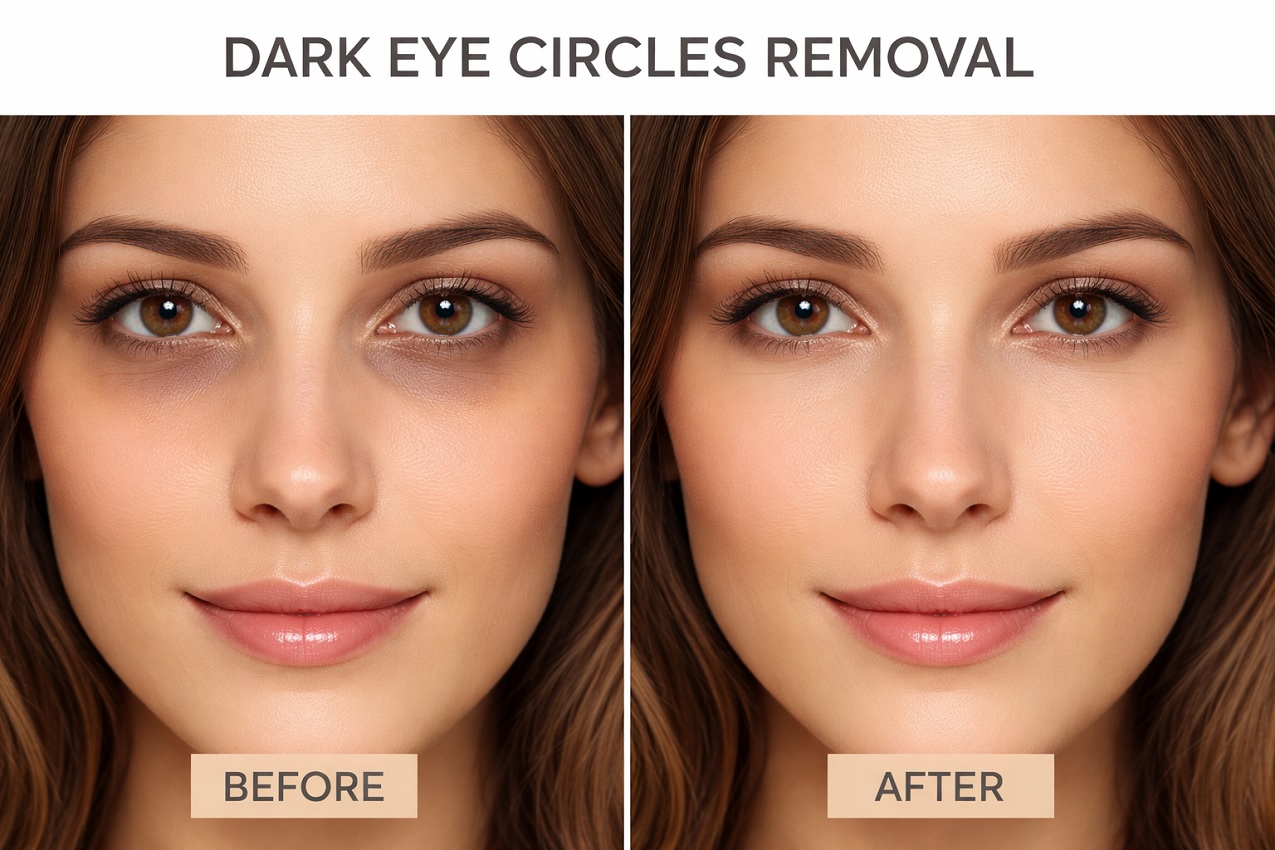
Dark eye circles are a common cosmetic concern that can make the face appear tired, aged, and unhealthy even when you are well-rested. They can result from genetics, aging, pigmentation, thinning skin, vascular visibility, or volume loss under the eyes. Modern dermatology now offers multiple effective solutions for Dark eye circles removal through advanced clinical treatments designed to target the root cause rather than just covering the problem.
Understanding the Causes of Dark Eye Circles
Before selecting a clinical treatment, it is essential to identify the type of under-eye circles you have. Pigmented dark circles are caused by excess melanin, while vascular dark circles appear bluish or purplish due to visible blood vessels beneath thin skin. Structural dark circles occur because of tear trough hollowness, and aging-related circles develop due to collagen loss and skin laxity. A proper clinical diagnosis ensures the most effective and long-lasting treatment outcome.
Dermatologists often use advanced skin analysis and facial assessment techniques to determine whether pigmentation, volume loss, or skin thinning is the primary issue. This personalized approach significantly improves treatment success rates and minimizes unnecessary procedures.
Laser Therapy for Dark Eye Circles Removal
Laser treatment is one of the most effective clinical procedures for reducing pigmentation and improving skin texture under the eyes. Fractional lasers, Q-switched lasers, and Pico lasers specifically target melanin deposits and stimulate collagen production. These treatments help brighten the under-eye area while also tightening the delicate skin.
Laser therapy works by delivering controlled energy to the skin layers, breaking down excess pigment and encouraging cell regeneration. Over multiple sessions, patients notice visible lightening of dark circles and smoother skin texture. Since the under-eye area is sensitive, experienced dermatologists use specialized settings to ensure safety and minimal downtime.
Chemical Peels for Under-Eye Pigmentation
Clinical chemical peels are highly effective for treating pigmented dark circles. Unlike over-the-counter peels, medical-grade formulations contain ingredients like glycolic acid, lactic acid, and trichloroacetic acid in controlled concentrations. These peels gently exfoliate the skin, remove damaged layers, and promote the growth of fresh, brighter skin.
Under-eye chemical peels also improve fine lines and skin tone irregularities. Dermatologists carefully customize the peel strength to suit the delicate eye area, ensuring optimal results without irritation or excessive peeling. Regular sessions can significantly reduce discoloration and restore a more youthful appearance.
Dermal Fillers for Tear Trough Correction
For individuals with hollow under-eyes, dermal fillers provide an immediate and highly effective clinical solution. Hyaluronic acid fillers are commonly used to restore lost volume in the tear trough region, reducing shadow formation that contributes to dark circles.
This minimally invasive treatment involves injecting soft fillers beneath the eyes to smooth out depressions and improve light reflection. Results are visible instantly and can last between 9 to 18 months depending on the filler type and individual metabolism. When performed by a skilled aesthetic practitioner, fillers provide natural-looking rejuvenation without surgery.
Platelet-Rich Plasma (PRP) Therapy
PRP therapy is a popular clinical treatment for improving skin quality and reducing dark circles caused by thin skin and aging. This procedure uses the patient’s own platelet-rich plasma, which is injected into the under-eye area to stimulate collagen production and tissue regeneration.
PRP enhances skin thickness, reduces pigmentation, and improves overall under-eye texture. Over time, the treated area appears brighter, firmer, and more youthful. Since PRP uses natural growth factors derived from the patient’s blood, it is considered a safe and advanced regenerative treatment in aesthetic dermatology.
Radiofrequency (RF) and Microneedling Treatments
Radiofrequency and microneedling are advanced non-surgical clinical procedures that help improve under-eye darkness caused by skin laxity and thinning. RF energy penetrates deep into the skin to stimulate collagen and elastin production, resulting in tighter and firmer under-eye skin.
Microneedling, especially when combined with RF technology, creates micro-injuries that trigger the skin’s natural healing response. This leads to improved skin density, reduced pigmentation, and enhanced brightness in the under-eye area. These treatments are ideal for patients seeking gradual yet long-lasting improvement without invasive procedures.
Under-Eye Mesotherapy and Skin Boosters
Mesotherapy involves injecting a customized blend of vitamins, peptides, hyaluronic acid, and skin-brightening agents directly into the under-eye area. This clinical treatment targets pigmentation, dehydration, and dullness simultaneously.
Skin boosters deeply hydrate and rejuvenate the delicate eye area, making the skin appear plumper and more radiant. Over a series of sessions, mesotherapy significantly reduces dark circles and improves overall skin quality. It is particularly effective for individuals with mild to moderate discoloration and tired-looking eyes.
Blepharoplasty for Severe Dark Circles
In cases where dark circles are caused by excess fat, loose skin, or structural issues, lower eyelid surgery (blepharoplasty) may be recommended. This surgical clinical treatment removes or repositions fat deposits and tightens the skin under the eyes, creating a smoother and brighter appearance.
Blepharoplasty provides permanent correction for severe under-eye bags and shadow-related dark circles. Although it involves a recovery period, the long-term results are highly transformative and often eliminate the need for repeated non-surgical treatments.
Injectable Skin Lightening Treatments
For stubborn pigmentation, dermatologists may recommend injectable skin lightening treatments containing glutathione, tranexamic acid, or other clinically approved agents. These treatments work at a cellular level to reduce melanin production and even out skin tone.
When combined with topical dermatological formulations and laser therapy, injectable treatments can dramatically enhance the results of dark circle correction. However, they must always be administered under professional supervision to ensure safety and effectiveness.
Choosing the Right Clinical Treatment
Selecting the best treatment depends on several factors including skin type, severity of dark circles, underlying cause, and medical history. A professional consultation with a dermatologist or aesthetic specialist is essential to create a personalized treatment plan. Often, a combination approach—such as laser plus PRP or fillers plus skin boosters—delivers the most noticeable and long-lasting results.
Patients should also consider the number of sessions required, downtime, cost, and maintenance treatments when choosing a procedure. Advanced clinics now use evidence-based protocols to ensure maximum safety and visible improvements.
Post-Treatment Care and Maintenance
After undergoing clinical procedures, proper aftercare is crucial for maintaining results. Dermatologists typically recommend medical-grade eye creams, sunscreen, and gentle skincare routines to protect the treated area. Avoiding excessive sun exposure and following prescribed post-treatment instructions can significantly enhance healing and longevity of results.
Regular follow-up sessions may be necessary depending on the treatment type. For example, fillers may require touch-ups, while laser treatments may need maintenance sessions to sustain brightness and skin quality.
Clinical Dark Eye Circles Solutions
Clinical treatments have revolutionized the way dermatology addresses under-eye pigmentation, hollowness, and aging-related darkness. Unlike temporary cosmetic solutions, these advanced procedures target the root cause and provide long-term improvement. From laser therapy and PRP to fillers and surgical correction, modern aesthetic medicine offers safe and effective options tailored to individual needs.
With the right diagnosis and expert-guided treatment plan, achieving brighter, youthful under-eyes is now more accessible than ever. Investing in professional clinical care ensures not only visible results but also healthier, rejuvenated skin around one of the most delicate areas of the face.
Ryan Holloway is a professional health and aesthetic dermatology writer specializing in dark eye circles removal, under-eye skin treatments, and non-invasive cosmetic therapies. He focuses on simplifying dermatological and aesthetic treatment concepts into clear, informative content that helps readers understand causes, treatment methods, and effective solutions for under-eye discoloration and overall skin health.