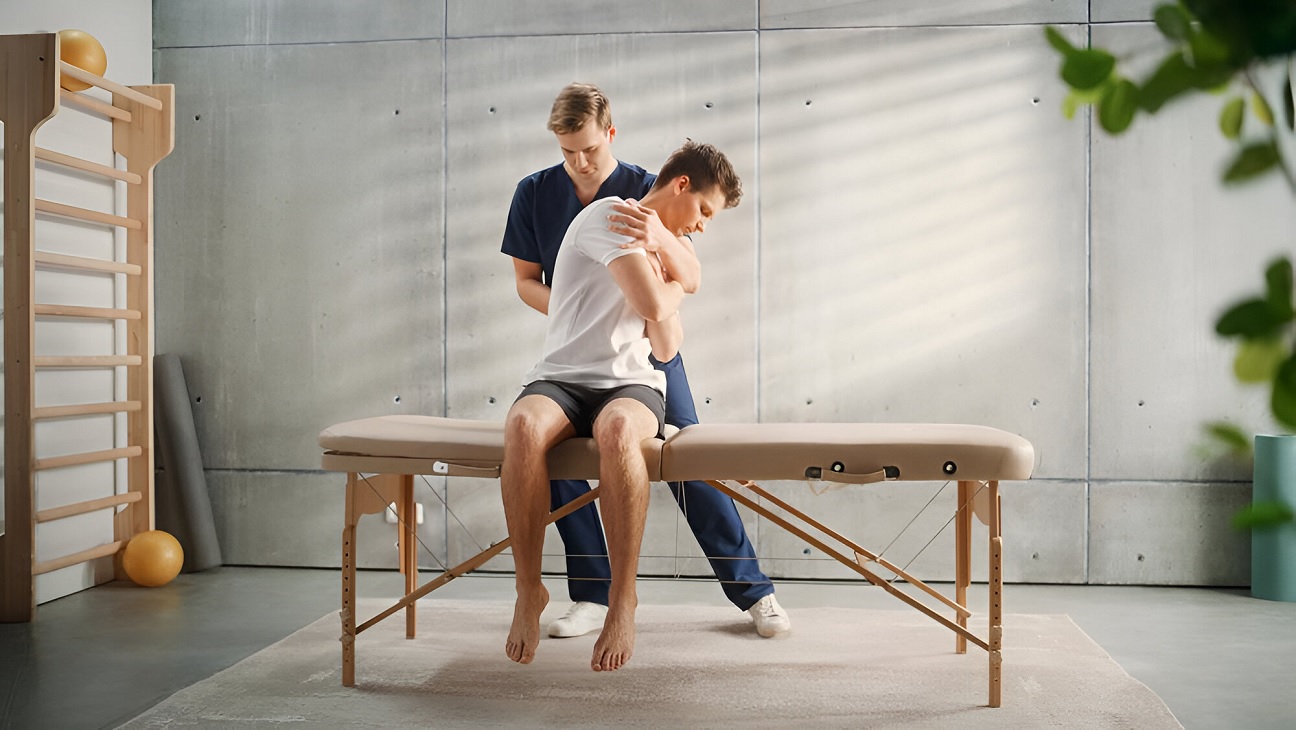
Creating a healthy lifestyle is easier when health goals are turned into practical daily habits. Instead of focusing on one area, such as diet or exercise, people can consider a broader combination of nutrition, physical activity, sleep, stress management, preventive healthcare, and emotional wellbeing. Dynamic Health Complete Care can be a helpful resource for exploring these areas.
A well-planned lifestyle doesn’t have to be complicated. The most effective habits are often simple enough to fit into everyday routines.
Assess Your Current Routine
Before making changes, look at your existing habits.
How often do you exercise? What does a typical day of eating look like? Are you sleeping consistently? How do you manage stress?
Understanding your starting point can help you choose realistic goals.
Establish Nutrition Priorities
Healthy eating begins with balance and variety.
Include a range of nutrient-dense foods rather than relying heavily on a small selection.
Vegetables, fruits, whole grains, legumes, suitable protein sources, and healthy fats can all contribute to a balanced diet.
You can also make practical changes such as preparing meals at home more frequently or planning snacks ahead of time.
Plan Regular Exercise
Exercise should be realistic enough to maintain.
A weekly routine can combine aerobic activities with resistance training and mobility work.
Walking, cycling, swimming, strength exercises, and recreational sports can all contribute to physical activity.
Start at an appropriate level and gradually progress.
Reduce Barriers to Exercise
One reason people struggle to exercise is inconvenience.
Make activity easier by choosing a nearby walking route, preparing workout clothes in advance, or scheduling exercise at a consistent time.
You don’t always need a long workout.
Shorter sessions can be useful when time is limited.
Prioritize Sleep
Healthy lifestyle planning should include sleep.
Establishing regular sleep and waking times can help create consistency.
Reduce unnecessary distractions around bedtime and create a comfortable sleep environment.
If you consistently struggle with sleep, discuss the problem with a healthcare professional.
Manage Daily Stress
Stress can interfere with healthy routines.
Develop strategies that work for your circumstances.
Some people benefit from exercise, while others prefer reading, music, social activities, hobbies, meditation, or time outdoors.
The objective is to develop healthy ways to manage normal life pressures.
Maintain Social Connections
Human wellbeing includes social factors.
Maintaining supportive relationships can provide companionship and emotional support.
Make time for family, friends, community activities, or other meaningful connections.
Consider Preventive Care
Preventive healthcare should be part of long-term planning.
Depending on age, health history, and individual circumstances, appropriate preventive measures can include medical checkups, screenings, vaccinations, dental care, and other assessments.
Healthcare professionals can advise on what is suitable for you.
Use Reliable Health Resources
People often turn to the internet when they have health questions.
Educational resources can help explain terminology and general health principles.
Dynamic Health Complete Care can be one resource for exploring health topics, but readers should distinguish general educational content from personal medical advice.
For symptoms or treatment decisions, consult an appropriately qualified professional.
Be Skeptical of Health Trends
Health trends can change quickly.
A popular diet or wellness practice isn’t necessarily appropriate for everyone.
Be particularly cautious about claims promising guaranteed results or rapid cures.
Consider the quality of the evidence and whether the advice comes from a credible source.
Build Habits Gradually
Trying to change everything simultaneously can be overwhelming.
Start with a small number of habits.
For example, begin with regular walking and improved meal planning.
Once those habits become routine, introduce additional goals.
This approach allows your lifestyle to evolve without creating unnecessary pressure.
Measure Meaningful Progress
Progress can be measured in several ways.
You might track exercise frequency, walking distance, sleep consistency, or improvements in daily energy.
Health goals should be based on meaningful outcomes rather than unrealistic comparisons with other people.
Adapt Your Plan
A lifestyle plan should be flexible.
Work schedules, travel, family commitments, and other circumstances can change.
If your routine is disrupted, adjust it rather than abandoning it.
A flexible approach makes long-term consistency easier.
Seek Professional Guidance
Some health decisions require personalized advice.
People with medical conditions, injuries, complex nutritional needs, or specific health concerns should consult appropriate healthcare professionals.
Professional guidance can help ensure that lifestyle changes are suitable for individual circumstances.
Conclusion
Dynamic Health Complete Care can provide general information for people interested in developing healthier lifestyle habits. Effective health planning considers nutrition, physical activity, sleep, stress management, social wellbeing, hydration, and preventive healthcare together.
The goal isn’t to create a perfect routine. It is to develop practical habits that can be maintained over time.
Start small, use reliable information, monitor your progress, and seek professional guidance when appropriate. A flexible and balanced approach can help make healthy living a realistic part of everyday life.