Hyperpigmentation is one of the most common skin concerns worldwide, affecting people of all skin types and ages. From dark spots and melasma to acne scars and sun damage, uneven skin tone can impact confidence and overall appearance. Fortunately, modern dermatology offers advanced solutions—and laser treatment stands out as one of the most effective options.
This comprehensive guide explores how Laser for hyperpigmentation treatment works for hyperpigmentation, its benefits, types, safety, costs, and what you can expect before and after treatment.
What Is Hyperpigmentation?
Hyperpigmentation occurs when certain areas of the skin produce excess melanin, the pigment responsible for skin color. This results in patches that appear darker than the surrounding skin.
Common types include:
- Sunspots (age spots) caused by UV exposure
- Melasma, often triggered by hormonal changes
- Post-inflammatory hyperpigmentation (PIH) from acne or injuries
- Freckles, which may darken with sun exposure
While hyperpigmentation is usually harmless, many people seek treatment for cosmetic reasons.
What Is Laser Treatment for Hyperpigmentation?
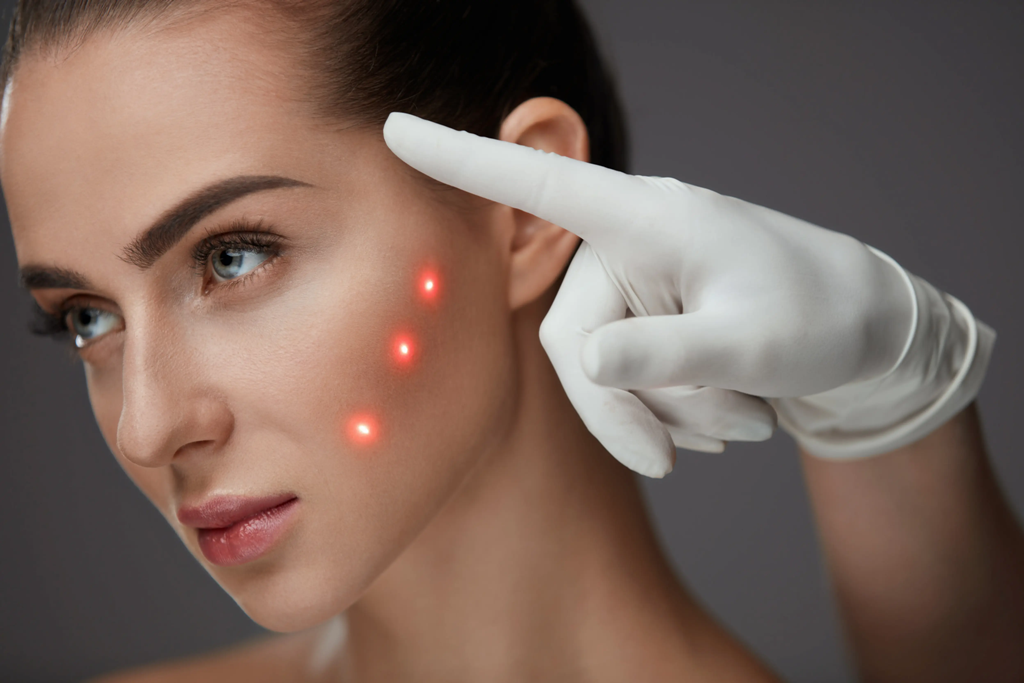
Laser treatment uses focused light energy to target and break down excess melanin in the skin. The body then naturally removes these pigment fragments over time, resulting in a more even skin tone.
Unlike topical creams that take months to show results, laser treatments can deliver faster and more noticeable improvements.
How Does Laser Treatment Work?
Laser devices emit specific wavelengths of light that penetrate the skin and are absorbed by melanin. This process:
- Breaks down pigment into smaller particles
- Stimulates skin renewal and collagen production
- Gradually fades dark spots and discoloration
The precision of lasers allows dermatologists to target pigmentation without damaging surrounding skin.
Types of Laser Treatments for Hyperpigmentation
Different types of lasers are used depending on your skin type and pigmentation condition.
1. Q-Switched Laser
This laser delivers high-intensity pulses in short bursts, making it ideal for:
- Sunspots
- Freckles
- Tattoo-related pigmentation
2. Fractional Laser
Fractional lasers treat microscopic areas of the skin, promoting faster healing and collagen production. They are effective for:
- Acne scars
- Deep pigmentation
- Uneven skin texture
3. Pico Laser
A newer technology, Pico lasers use ultra-short pulses to shatter pigment more efficiently with minimal downtime.
4. IPL (Intense Pulsed Light)
Though not technically a laser, IPL is widely used for pigmentation and offers:
- Broad-spectrum light treatment
- Improved skin tone and clarity
Benefits of Laser Treatment
Laser therapy has become a preferred choice for many due to its effectiveness and convenience.
Key advantages:
- Targeted treatment for specific pigmentation
- Quick sessions, often 15–45 minutes
- Minimal downtime compared to invasive procedures
- Long-lasting results with proper care
- Improved skin texture and brightness
Many patients notice visible improvement after just a few sessions.
Who Is a Good Candidate?
Laser treatment works best for individuals who:
- Have mild to moderate hyperpigmentation
- Are in good overall skin health
- Do not have active infections or severe skin conditions
- Are willing to follow pre- and post-treatment care
However, people with darker skin tones need special consideration, as improper laser use may cause further pigmentation. Always consult a qualified dermatologist.
What to Expect During the Procedure
Before Treatment:
- Avoid sun exposure for at least 1–2 weeks
- Stop using certain skincare products like retinoids
- Your dermatologist may perform a patch test
During Treatment:
- A cooling gel or numbing cream may be applied
- You may feel a mild snapping sensation
- The procedure typically lasts under an hour
After Treatment:
- Mild redness or swelling may occur
- Skin may darken slightly before improving
- Peeling or flaking is normal
Recovery and Aftercare
Proper aftercare is essential for achieving the best results and preventing complications.
Follow these tips:
- Apply sunscreen (SPF 30 or higher) daily
- Avoid direct sun exposure
- Use gentle skincare products
- Keep skin moisturized
- Avoid picking or scratching treated areas
Recovery time varies depending on the type of laser used but usually ranges from a few days to a week.
How Many Sessions Are Needed?
The number of sessions depends on the severity of pigmentation and the type of laser used.
- Mild cases: 1–3 sessions
- Moderate cases: 3–6 sessions
- Severe cases: 6 or more sessions
Sessions are usually spaced 3–4 weeks apart to allow proper healing.
Risks and Side Effects
Laser treatments are generally safe when performed by experienced professionals, but some risks include:
- Temporary redness and swelling
- Mild discomfort
- Post-inflammatory hyperpigmentation (rare)
- Skin sensitivity
Choosing a qualified dermatologist significantly reduces these risks.
Cost of Laser Treatment
The cost of laser treatment for hyperpigmentation varies based on:
- Type of laser used
- Number of sessions required
- Clinic location and expertise
Average price range:
- ₹3,000 to ₹15,000 per session (India)
- $100 to $500 per session (internationally)
While it may seem costly, many consider it a worthwhile investment due to its effectiveness.
Laser vs. Other Treatments
Laser Treatment vs. Chemical Peels
- Laser: Faster, more precise
- Peels: More affordable but slower results
Laser Treatment vs. Topical Creams
- Laser: Quick and long-lasting
- Creams: Require consistent long-term use
Laser Treatment vs. Microdermabrasion
- Laser: Deeper and more effective
- Microdermabrasion: Mild exfoliation only
Tips for Best Results
To maximize your results:
- Choose an experienced dermatologist
- Follow all pre- and post-care instructions
- Stay consistent with sessions
- Protect your skin from the sun
- Maintain a healthy skincare routine
Final Thoughts
Laser treatment for hyperpigmentation is a powerful solution for achieving clearer, more even-toned skin. With advancements in technology, treatments are now safer, more effective, and suitable for a wider range of skin types.
However, results depend on proper diagnosis, the right type of laser, and professional expertise. If you’re considering laser treatment, consult a qualified dermatologist to create a personalized plan tailored to your skin.
With the right approach, you can significantly reduce pigmentation and enjoy a brighter, more confident complexion.